
A Life Rewritten Through Memory
Happiness for BeginnersThe novel shows Helen revising personal and family narratives as new information and generous attention reveal that earlier explanations were only partial.
increasing Bearing strength in each event
 decreasing
Bearing strength in each eventdecreasingAn Edited Marriage Story
An Edited Marriage Story
The safe version
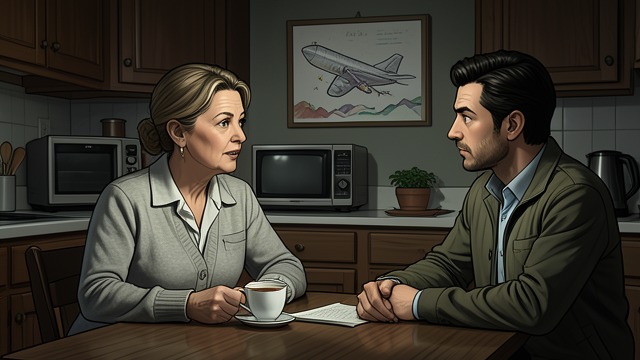
Helen describes her divorce to Jake through the composed Mary Poppins voice. She explains Mike’s alcoholism and her decision to leave, but initially leaves out the miscarriage and Mike’s absence at the appointment.
Her controlled account protects her from exposing the deepest hurt to someone she barely knows. It also shows how Helen has learned to present pain in a way that sounds settled, even when it is not.
What remains unsaid
The story she tells is accurate but incomplete. Over the course of the novel, Helen becomes more able to name the losses that shaped her choices.
The Brother Recast
The Brother Recast
From culprit to child
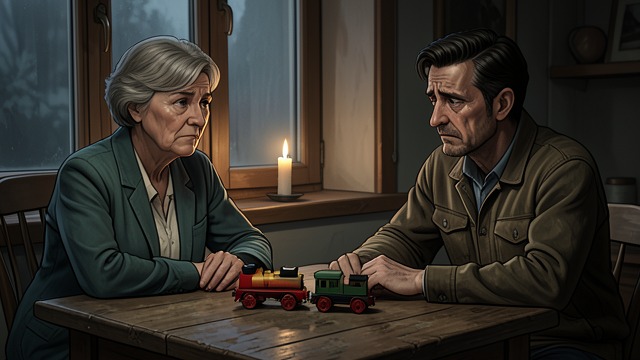
Helen has thought of Duncan as the source of disorder in her family. As she tells Jake about Nathan’s death and the years afterward, she begins to see Duncan as a child who was also neglected and grieving.
The new view does not make Duncan’s carelessness harmless. It prevents Helen from treating his flaws as the whole truth about him.
Memory revised with compassion
Helen discovers that a family history can be retold without being falsified. More complete attention allows her to see how many people were wounded by the same events.
A Childhood Story Corrected
A Childhood Story Corrected
The truth behind leaving
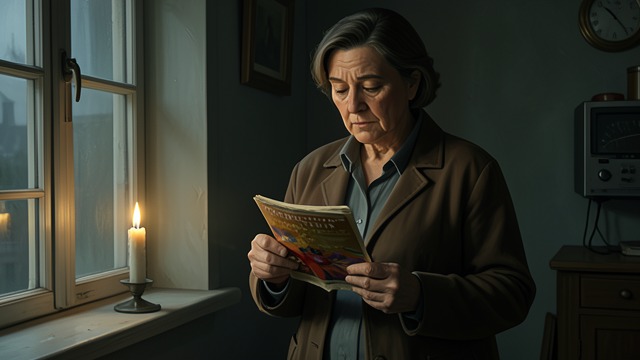
Grandma GiGi explains that Helen’s mother attempted suicide on the night she left the children. Her later absence followed treatment and continued fragility, not a straightforward decision that her children were unwanted.
Helen realizes that she has lived with a story of rejection that made sense to a child but omitted the crisis surrounding it. The truth brings relief, anger, and grief together.
The meaning of knowing
A more accurate story does not undo abandonment’s consequences. It gives Helen and Duncan a chance to understand their mother without making their childhood losses disappear.
Apology and Acceptance
Apology and Acceptance
Facing an old betrayal
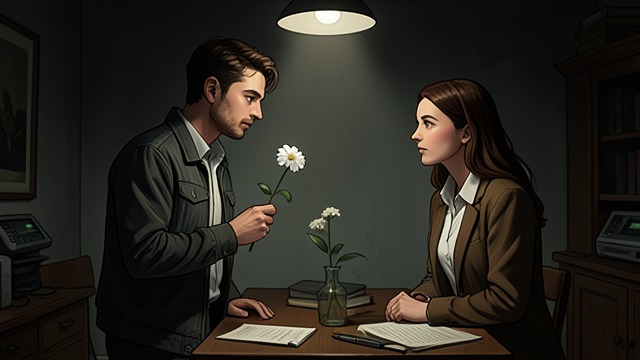
David Hoffman apologizes for treating Helen badly in high school, including taking back her corsage. Helen accepts the apology while acknowledging that the corsage was only one part of the hurt.
Her response is neither revenge nor denial. She can recognize that David was a foolish teenager and still remember that his choices affected her.
The past loses authority
The encounter shows Helen that remembering an injury does not require organizing her present around it. She can answer the old story differently without pretending it never happened.
Choosing the Final Memory

Choosing the Final Memory
A life with more than one truth
Helen could tell her story through divorce, family trauma, and loss, but she chooses to end with the memory of the elevator and the beginning of a life with Jake. The earlier pain remains part of her history.
Her choice reflects the practice she learned from Windy: what a person notices and remembers shapes the story they carry. Helen does not invent a happy past; she gives joy a rightful place beside grief.
A hopeful, honest ending
The memory contains the knowledge that sorrow and trouble will come again. Helen’s hope rests in facing those experiences together, not in believing they can be avoided.
During Helen’s first day of driving
During the night Helen talks with Jake
The morning GiGi explains the separation
At the start of the bar mitzvah
In the epilogue
